What Are White Goods in the Refuse Business? (Simple Guide)
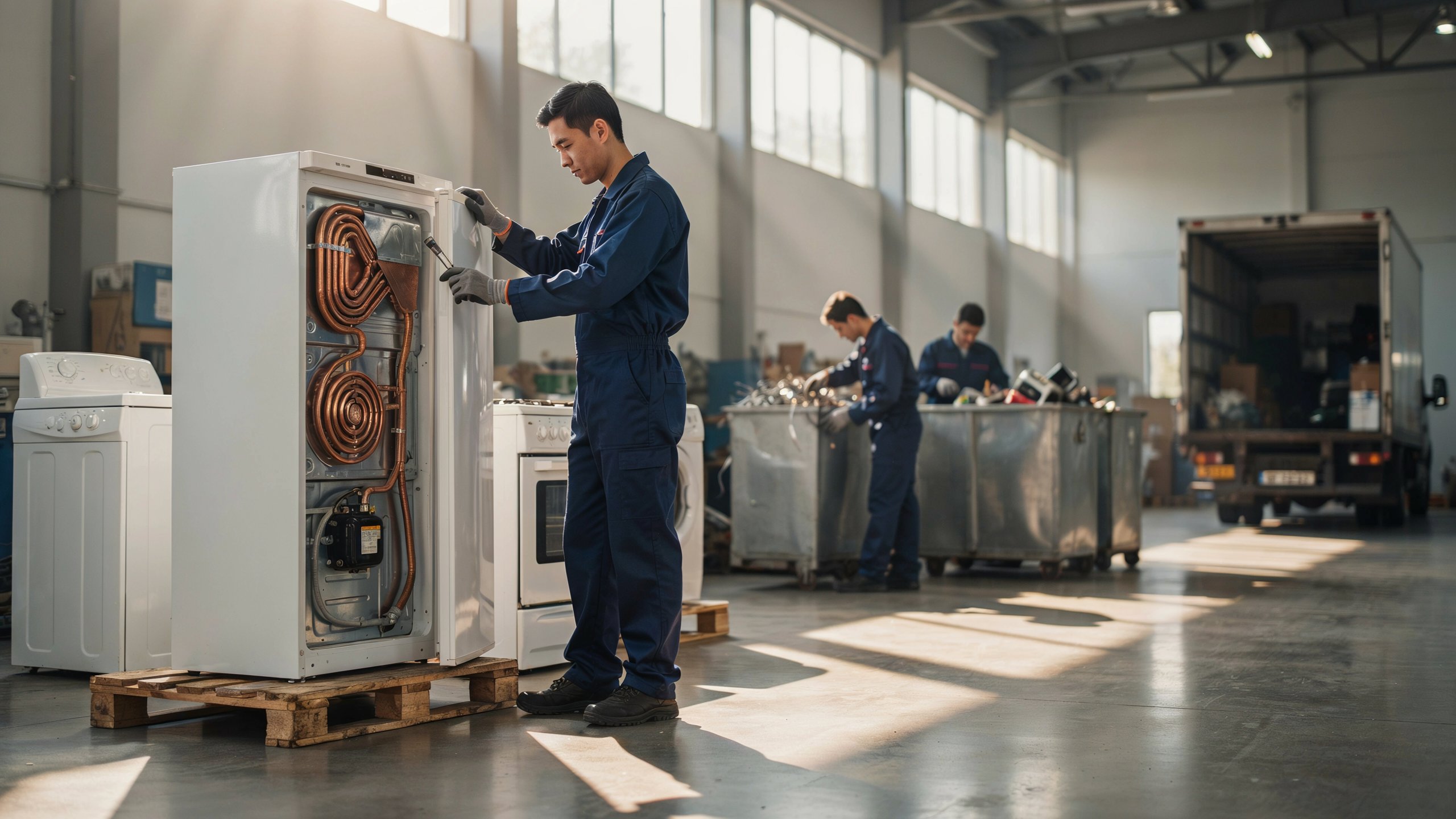
If you’ve seen the term “white goods” on a waste collection notice, a job posting, or a recycling website, you’re probably wondering what it actually means. The short answer: in the refuse business, white goods are large household appliances like refrigerators, washing machines, dryers, and stoves. These items are handled differently from regular trash because of their size, materials, and sometimes hazardous parts.
This guide breaks down exactly what counts as a white good, why the term is used, how these items get disposed of, and what to know if you’re exploring a job in the waste or refuse industry.
Quick Answer
In the refuse business, white goods refer to large home appliances such as refrigerators, freezers, washing machines, dryers, dishwashers, and stoves. They’re called “white goods” because these appliances were traditionally finished in white enamel. Refuse companies treat them separately from regular garbage because of their size, weight, and materials like metal, refrigerant gas, or insulation foam.
What Counts as a White Good
White goods are large, heavy household appliances. They usually stay in one place in a home, like a kitchen or laundry room, and they’re too big to toss in a regular trash bin.
Common examples include:
- Refrigerators and freezers
- Washing machines and clothes dryers
- Dishwashers
- Stoves and ovens
- Water heaters
- Air conditioning units
These appliances share a few things in common. They’re bulky, they’re made mostly of metal, and many of them contain parts that need special handling before they can be recycled or thrown away.
Why Are They Called “White Goods”?
The name comes from the traditional color of these appliances. For many years, manufacturers coated refrigerators, washers, and stoves in white enamel paint. Even though appliances now come in many colors and finishes, the industry term “white goods” stuck around and is still used today in the refuse and recycling world.
White Goods vs. Other Waste Categories
Understanding white goods becomes easier when you compare them to other waste categories used in the refuse business.
- White goods – Large appliances like fridges and washers.
- Brown goods – Electronics such as TVs, stereos, and computers.
- Black goods – Similar to brown goods, often referring to entertainment devices.
- Bulky waste – A broader category that can include furniture along with white goods.
Refuse companies separate these categories because each one needs a different disposal or recycling process. White goods, for example, often contain refrigerants or motors that require careful removal before recycling.
Why the Separation Matters
Mixing white goods with regular household trash can cause problems. Refrigerants used in fridges and air conditioners can be harmful if released improperly. Metal components can also be recycled more efficiently when they’re kept separate from other waste streams. This is why most cities and refuse companies have specific rules for collecting these items.
Step-by-Step Guide: How White Goods Are Typically Handled
While rules can vary by location, most refuse businesses follow a similar general process for white goods.
- Scheduling a pickup – Homeowners usually need to schedule a special collection, since white goods aren’t picked up with regular trash.
- Preparing the appliance – This may include removing doors (especially on refrigerators) for safety reasons and unplugging the unit.
- Collection – A refuse truck or specialized crew picks up the appliance, often using equipment designed for heavy loads.
- Sorting at the facility – Once collected, white goods are sorted based on material type and condition.
- Recycling or disposal – Metal parts are typically recycled, while hazardous components like refrigerants are removed and handled separately.
This process helps keep harmful materials out of landfills and allows valuable metals to be reused.
Common Problems or Mistakes
Many people run into the same issues when dealing with white goods. Here are a few common mistakes and how to avoid them.
- Assuming regular trash pickup includes white goods. Most refuse services require a separate request or scheduled bulk pickup.
- Leaving doors on old refrigerators. This can be a safety hazard, especially around children. Many local rules require doors to be removed before pickup.
- Not checking local rules first. Disposal requirements can differ between cities, so it’s worth checking with a local refuse or waste management provider before setting an appliance out.
- Illegally dumping appliances. Leaving white goods on the street or in unauthorized areas can lead to fines in many areas.
Helpful Tips
- Always check with your local waste management provider before disposing of a large appliance.
- Ask if there’s a fee for bulk item pickup, since some refuse companies charge extra for white goods.
- If an appliance still works, consider donating it instead of disposing of it.
- Keep an eye out for scrap metal recyclers in your area, since many will collect white goods for free because of their metal value.
- If you’re interested in a career in the refuse or waste management industry, learning these terms early can help you stand out during interviews.
Frequently Asked Questions
1.What are white goods in the refuse business?
White goods are large household appliances like refrigerators, washing machines, dryers, and stoves that refuse companies handle separately from regular trash.
2.Why are they called white goods if they aren’t white?
The term comes from the traditional white enamel finish used on older appliances. The name has stayed in use even though appliances now come in many colors.
3.Can I put a refrigerator out with my regular trash?
Usually not. Most refuse services require a special pickup request for large appliances like refrigerators.
4.Are white goods considered hazardous waste?
Not entirely, but some parts, like refrigerants in fridges and air conditioners, need special handling because they can be harmful if released improperly.
5.What’s the difference between white goods and brown goods?
White goods are large appliances like washers and stoves, while brown goods usually refer to electronics like TVs and stereos.
6.Do refuse companies charge extra to pick up white goods?
Many do, since these items require special handling and equipment. It’s best to check with your local provider.
7.Is it illegal to leave an old appliance on the street?
In many areas, yes. Illegal dumping of white goods can lead to fines, so it’s best to schedule a proper pickup.
Conclusion
So, in the refuse business, what are white goods? They’re the large household appliances, like fridges, washers, and stoves, that need special handling because of their size and materials. Knowing this term can help you understand your local waste disposal rules, and if you’re exploring a career in the refuse or waste management field, it’s a good starting point for learning industry language.
If you’re planning to dispose of an old appliance, start by checking with your local refuse provider to learn their specific pickup process and any fees involved.
Author: Muhammad Ahmad
M. Ahmad is an SEO and GEO Specialist and the Founder of Careerzon.org, a platform dedicated to career development and professional growth. He helps readers navigate job searching, resume building, career planning, and skill development through clear, practical, and easy-to-follow guidance.
Combining his SEO and GEO expertise with a focus on career content, M. Ahmad ensures Careerzon.org delivers helpful, people-first advice that’s easy to find and easy to understand — whether you’re searching on Google or asking an AI assistant.